
15
Learn More
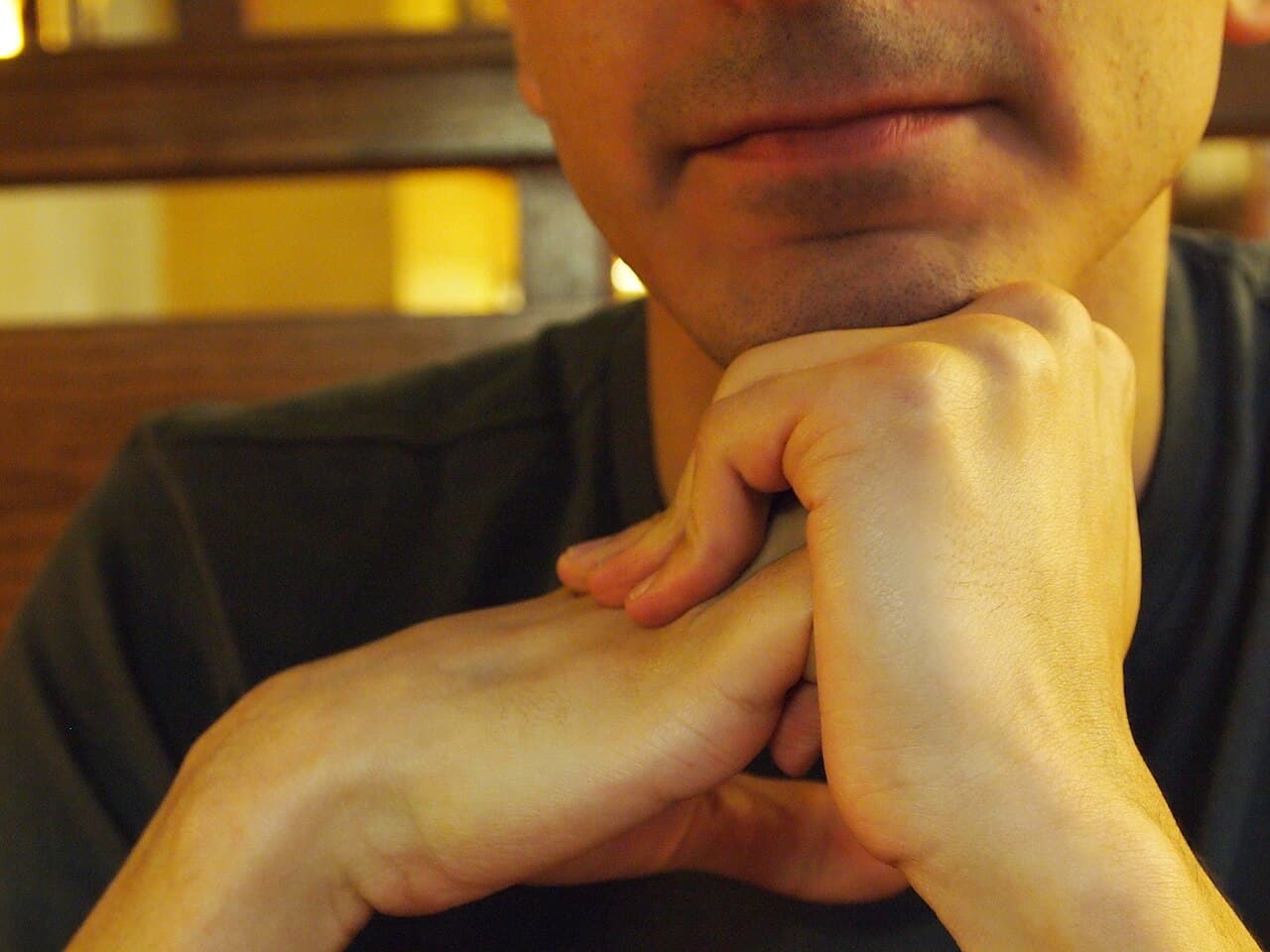
The long-standing belief that cracking your knuckles leads to arthritis is a widespread misconception, often passed down through generations by concerned parents and teachers. The myth likely originated from the unsettling sound of the "crack," which many mistakenly associate with bones grinding together or causing damage to the joints. This auditory effect can lead people to assume that a harmful process is occurring, fostering the idea that it must contribute to degenerative conditions like arthritis over time.
However, scientific research has consistently debunked this popular myth. The popping sound heard when you crack your knuckles is actually caused by gas bubbles, primarily nitrogen, oxygen, and carbon dioxide, rapidly forming and then collapsing within the synovial fluid that lubricates your joints. When you stretch or bend your fingers, the joint capsule expands, creating a negative pressure that causes these dissolved gases to come out of solution and form a temporary bubble. The distinct "pop" is the sound of this bubble bursting. It then takes approximately 15 to 30 minutes for these gases to re-dissolve into the synovial fluid before the joint can be cracked again.
One of the most notable pieces of evidence against the myth comes from a self-experiment by Dr. Donald Unger, who cracked the knuckles on only one hand for over 60 years. At the end of his extensive personal study, he found no difference in the incidence of arthritis between his two hands. Subsequent larger studies have mirrored these findings, confirming that there is no causal link between knuckle cracking and the development of arthritis. While the habit might annoy those around you, you can rest assured that it is not causing long-term damage to your joints or leading to arthritis.
Related Myths
84
84
84
83
83
82