
56
Learn More
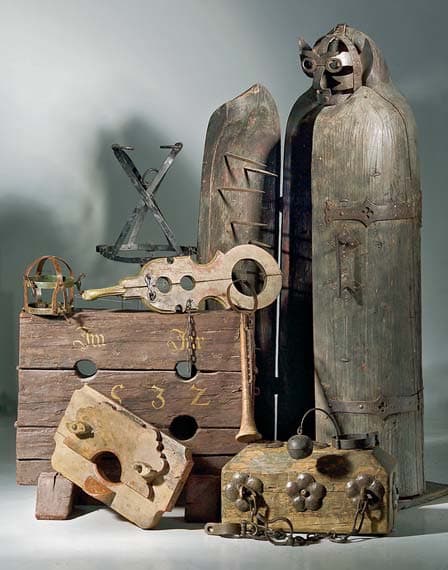
The terrifying image of a spiked, human-sized cabinet designed for torture is a common one, but historical evidence reveals that this gruesome device is largely a product of later centuries, not the Middle Ages. The concept of the "iron maiden" gained prominence in the 18th and 19th centuries, notably through the writings of German philosopher Johann Philipp Siebenkees in 1793. Siebenkees described an alleged 1515 execution in Nuremberg involving such a device, a story many scholars now believe to be a fabrication. This narrative fueled a fascination with the macabre, leading to the creation of elaborate "iron maidens" for sensationalist exhibitions.
Despite its fearsome reputation, there is no credible historical evidence or mention of the iron maiden existing or being used during the medieval period. Instead, many of the iron maidens displayed in museums today are believed to be 19th-century constructions, often pieced together from various older artifacts or entirely fabricated to create spectacular objects for public display. While ancient accounts describe similar spiked enclosures, such as the "Iron Apega" used by the Spartan tyrant Nabis around 200 BCE, these predate the medieval era and are distinct from the popular image of the iron maiden.
The enduring belief in the iron maiden as a medieval torture device stems from several factors. The 19th century, particularly the Victorian era, possessed a strong fascination with Gothic imagery and sensationalized history, readily embracing tales of barbaric medieval practices. Authors and dramatists of the time further perpetuated the myth, cementing the iron maiden's place in the public imagination as a symbol of medieval cruelty. This sensationalized portrayal continues to be reinforced in modern popular culture, from literature and films to music, solidifying its misleading association with the Middle Ages.
Related Myths
84
84
84
83
83
82