
19
Learn More
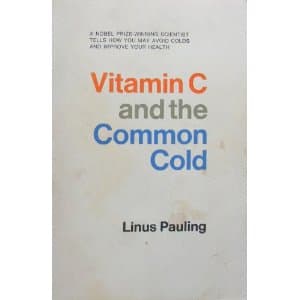
The widespread belief that vitamin C can ward off the common cold largely stems from the influence of Nobel laureate Linus Pauling. In 1970, Pauling published his bestselling book, "Vitamin C and the Common Cold," advocating for mega-doses of the vitamin to prevent and alleviate cold symptoms. Given his esteemed scientific background, his claims garnered significant public attention and fueled a booming market for vitamin C supplements, establishing the myth firmly in popular culture.
However, extensive scientific research conducted since Pauling's initial claims has largely debunked the idea of vitamin C as a cold preventative for the general population. Numerous placebo-controlled trials, involving thousands of participants, have consistently shown that regular vitamin C supplementation does not reduce the incidence of the common cold. While it does not prevent colds, consistent daily intake may offer a modest benefit by slightly shortening the duration of cold symptoms, typically by about 8% in adults and 14-18% in children. Interestingly, for individuals undergoing extreme physical stress, such as marathon runners or soldiers in very cold environments, vitamin C has been found to halve the risk of catching a cold. Taking vitamin C only after cold symptoms have already started generally shows no consistent effect on their duration or severity.
Despite the scientific consensus, the myth persists for several reasons. Pauling's immense credibility as a Nobel Prize winner cemented the idea in the public consciousness, and the belief has been passed down through generations. Furthermore, vitamin C is indeed an essential nutrient vital for overall immune function and other bodily processes like wound healing and collagen formation, leading people to naturally associate it with good health and a stronger defense against illness. This general understanding of vitamin C's importance, coupled with ongoing marketing of supplements for immune support, helps sustain the common misconception about its role in preventing colds.
Related Myths
84
84
83
83
82
82