
18
Learn More
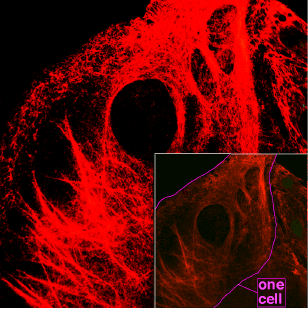
It is a common point of curiosity, and sometimes even a misconception, to wonder if the hard plates protecting our fingertips and toes are fundamentally distinct from the flexible strands on our head. Many people observe the obvious differences in appearance and texture between their hair and nails, leading them to assume they must be composed of entirely different substances. However, despite these superficial variations, the core claim is indeed true: both hair and nails share the same primary building block.
Scientifically speaking, both hair and nails are predominantly made from a tough, fibrous protein called keratin. Keratin is a vital structural protein found in many parts of the body, providing strength and protection. While the specific types of keratin and their arrangement differ slightly—nails, for instance, are primarily composed of hard alpha-keratin, contributing to their rigidity, whereas hair contains a mix—the fundamental molecular foundation remains the same. This shared composition allows these seemingly disparate parts of our anatomy to perform their respective protective functions.
The reason this shared origin often comes as a surprise, leading to the common belief that they are distinct, stems from their noticeable physical characteristics. Fingernails and toenails are rigid and firm, designed for protection and grip, while hair is typically much softer and more pliable, serving roles like insulation and sensory perception. These dramatic differences in feel and function naturally lead people to perceive them as entirely separate entities, overlooking the underlying biological commonality that makes them both strong and resilient.
Related Myths
84
84
83
82
82
79