
35
Learn More
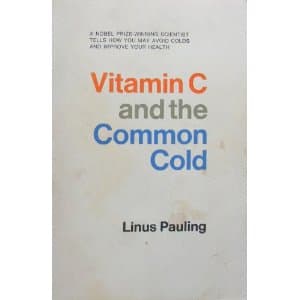
The belief that vitamin C can prevent the common cold gained significant traction in the 1970s, largely due to Nobel laureate Linus Pauling. He published a popular book, "Vitamin C and the Common Cold," in 1970, advocating for high daily doses of the vitamin to prevent and alleviate colds. Pauling, a highly respected chemist, lent considerable weight to this idea, leading to widespread public acceptance and an increase in vitamin C supplement use.
However, extensive scientific research conducted over decades has since provided a more nuanced understanding. Numerous placebo-controlled trials have consistently shown that regular vitamin C supplementation does not prevent common colds in the general population. While vitamin C is essential for overall immune function, taking extra doses beyond what is needed for basic health does not stop colds from occurring for most people. There are specific exceptions, however: individuals under extreme physical stress, such as marathon runners or soldiers in subarctic conditions, may experience a modest reduction in their risk of catching a cold with regular vitamin C intake.
Despite not preventing colds, research indicates that regular vitamin C supplementation may slightly reduce the duration and severity of cold symptoms once a cold has begun. The persistent belief in its preventive power often stems from Pauling's initial influential claims, anecdotal experiences where people felt better after taking vitamin C, and the general perception that vitamins are universally beneficial and harmless. This combination of early, highly publicized advocacy and personal experiences has kept the myth alive, even as scientific evidence has clarified its actual role in cold management.
Related Myths
84
84
83
83
82
82