
34
Learn More
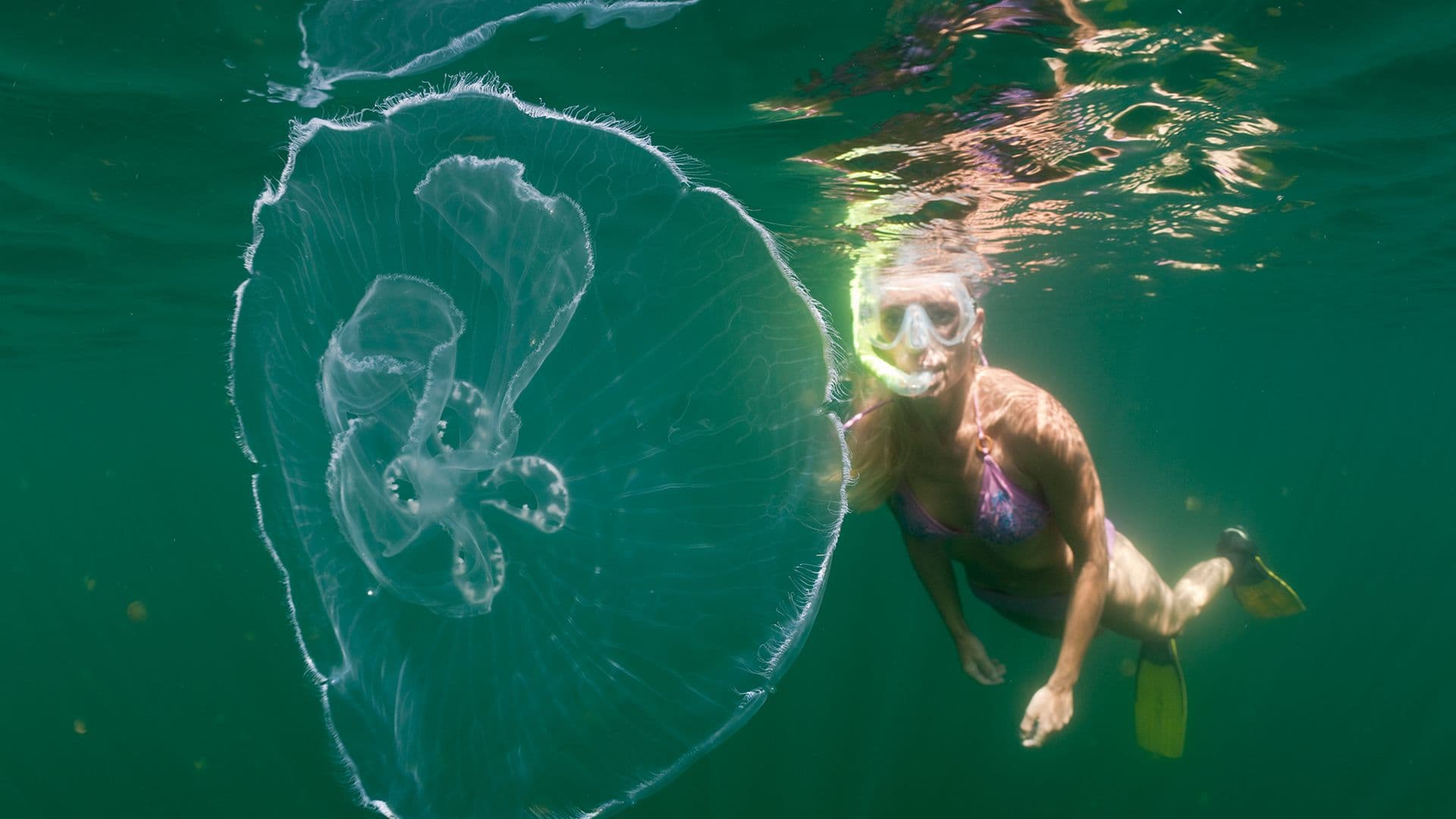
The idea of urinating on a jellyfish sting to alleviate pain is a widely recognized folk remedy, often perpetuated by popular culture, like a memorable episode of the TV show "Friends." The supposed logic behind this misconception is that compounds such as ammonia and urea in urine could neutralize the venom or help detach the stinging cells. This belief likely spread because people are often looking for quick and easy natural home remedies when faced with a painful situation on the beach.
However, scientific evidence consistently debunks this myth. Jellyfish tentacles contain thousands of microscopic stinging cells called nematocysts, which inject venom upon contact. Applying urine, which is mostly water, can actually worsen the sting. The fresh water in urine can cause a change in osmotic pressure, triggering any undischarged nematocysts to release more venom into the skin, intensifying the pain and the reaction. Furthermore, the pressure from the urine stream itself can agitate the barbs, leading to further venom release.
People commonly believe this myth due to its pervasive presence in media and anecdotal stories, making it seem like a plausible, immediate solution. The desire for a simple fix for an unexpected and painful injury contributes to its endurance. Unfortunately, far from being a cure, urinating on a jellyfish sting is unsanitary and can exacerbate the discomfort. The recommended first aid for most jellyfish stings involves rinsing the affected area with vinegar or saltwater (Deals) to deactivate the stinging cells, and then carefully removing any remaining tentacles.
Related Myths
84
84
83
83
82
82