

Mind-Blowing Facts About the Human Body
Have you ever stopped to think about the incredible machine you inhabit every single day? The human body is a universe of complexity, a biological marvel that performs countless intricate tasks without a moment's thought from us. From the microscopic dance of cells to the symphony of our senses, the sheer wonder of our physical selves is often taken for granted. But what if we told you that the reality of your own body is more astonishing than you could ever imagine?
Prepare to be amazed. We're about to embark on a journey deep into the inner workings of the human form, uncovering facts so mind-blowing they'll change the way you see yourself forever. You are a walking, talking collection of stardust, a testament to billions of years of evolution, and a powerhouse of biological engineering. Let's peel back the layers and discover the extraordinary truth of what it means to be human.
The Astronomical Numbers Game: You Are a Universe Within
It's easy to feel small in the grand scheme of the cosmos, but what if you were told that you contain multitudes that rival the stars? The sheer scale of the components that make up your body is, frankly, astronomical. It's a numbers game that is almost impossible to comprehend, but let's try to put it into perspective.
A Cellular City and an Atomic Galaxy
Your body is a bustling metropolis of cells, with estimates suggesting there are around 37 trillion of them working in concert. But even more mind-boggling is the number of atoms that make up those cells. A 70-kilogram (154-pound) human body is composed of approximately 7 billion billion billion atoms. That's a 7 followed by 27 zeros! To put that into context, there are more atoms in your body than there are stars in the Milky Way galaxy.
These atoms are primarily composed of just a few key elements. About 99% of your body is made up of oxygen, carbon, hydrogen, nitrogen, calcium, and phosphorus. The vast majority of these atoms are hydrogen, the element forged in the Big Bang itself. So, in a very real sense, you are made of ancient stardust.
The Endless River Within
The circulatory system is your body's internal highway, a vast network of blood vessels that deliver life-sustaining oxygen and nutrients to every corner of your being. If you were to lay all of your arteries, veins, and capillaries end-to-end, they would stretch for an incredible 100,000 miles in an adult. That's enough to circle the Earth four times! The majority of this length, about 80%, is made up of the tiniest of these vessels, the capillaries.
Every single minute, your heart pumps about 6 liters of blood, which means an individual blood cell takes roughly 60 seconds to complete a full circuit of your body.
The Supercomputer in Your Skull: The Marvel of the Brain
Weighing in at a mere three pounds, the human brain is the most complex object in the known universe. It's the command center for your entire body, the seat of your consciousness, and a biological supercomputer with capabilities that far exceed any machine we've ever built. It's an organ of immense power and surprising quirks.

An Unfathomable Storage Capacity
Forget your phone's memory or your laptop's hard drive; your brain's storage capacity is in a league of its own. Estimates suggest that the human brain can store the equivalent of 2.5 million gigabytes of digital memory. To put that in perspective, that's enough to hold about 55 million ebooks. This incredible capacity is thanks to the roughly 86 billion neurons, or brain cells, that are interconnected by trillions of synapses.
Information travels through this neural network at incredible speeds. Nerve impulses can travel as fast as 250 miles per hour, allowing for near-instantaneous communication between your brain and the rest of your body. This rapid transmission is what allows you to react quickly to stimuli, like pulling your hand away from a hot stove.
A Power-Hungry and Fatty Organ
Despite making up only about 2% of your body's weight, the brain consumes a whopping 20% of your total energy and oxygen intake. It's a power-hungry organ that is always active, even when you're asleep. In fact, your brain generates enough electricity to power a low-wattage light bulb.
What is all this energy fueling? A surprisingly fatty organ. The brain is composed of about 60% fat, making it the fattiest organ in your body. This high-fat content is crucial for the health and function of your brain cells.
Quick Facts
- You are about 1 centimeter taller in the morning than you are in the evening due to the compression of cartilage in your spine throughout the day.
- Over a lifetime, you will produce enough saliva to fill two swimming pools.
- The human nose can detect over 1 trillion different scents.
- Your eyes blink around 20 times a minute, which adds up to over ten million times a year!
- The only muscle in your body that never tires is your heart.
The Blueprint of Life: Your Astonishing DNA
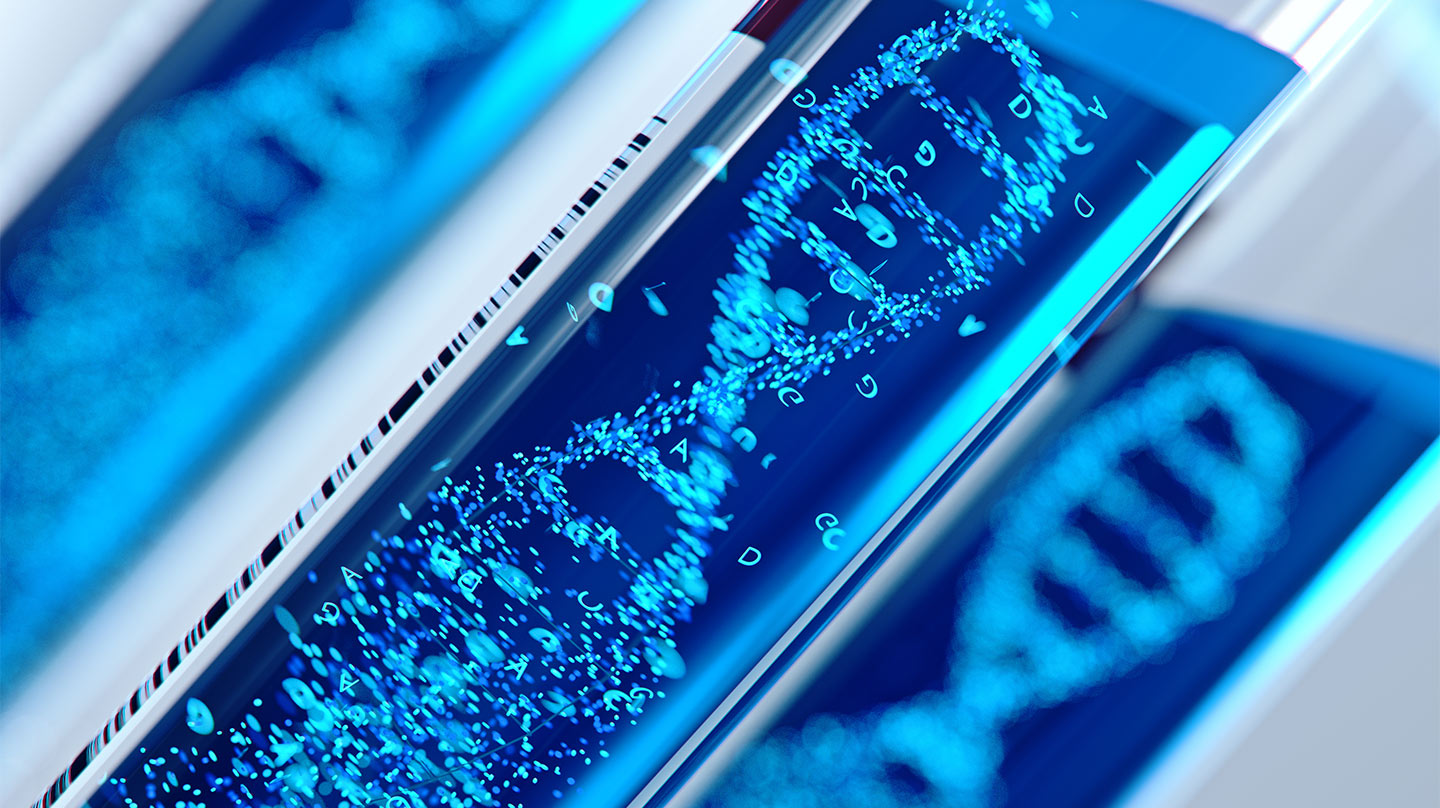
Packed into the nucleus of almost every one of your trillions of cells is a molecule that contains the very instructions for building and operating you: deoxyribonucleic acid, or DNA. This intricate code is the blueprint of life, and its scale and complexity are truly mind-boggling.
A Genetic Code of Immense Length
If you were to uncoil all of the DNA in a single human cell and stretch it out, it would be about 1.8 meters (6 feet) long. Now, consider that you have trillions of cells in your body. If you could take all the DNA from all your cells and line it up end-to-end, it would stretch from the Earth to the Sun and back over 600 times. That's a staggering length of genetic information packed into a microscopic space.
The human genome, the complete set of your DNA, contains about 3 billion base pairs. If you were to type out this entire genetic sequence at a rate of 60 words per minute for eight hours a day, it would take you approximately 50 years to complete the task.
More Alike Than Different, and a Little Bit Banana
For all our individual differences, humans are remarkably similar on a genetic level. We share about 99.9% of our DNA with every other human on the planet. The tiny 0.1% that differs is what accounts for the vast diversity of human traits we see around us.
Perhaps even more surprising is our genetic connection to other forms of life. It's thought that all living things on Earth evolved from a common ancestor, which means we share a surprising amount of DNA with other species. For instance, you share about 50% of your DNA with a cabbage and roughly 60% with a banana.
Interestingly, not all the DNA in your body is strictly human. It's estimated that 5-8% of our DNA is of viral origin, remnants of ancient viruses that integrated their genetic material into our ancestors' genomes over millennia.
The Body's Unsung Heroes: Everyday Marvels
Beyond the grand numbers and complex systems, the human body is full of smaller, everyday wonders that often go unnoticed. These are the unsung heroes of our biology, performing incredible feats without any conscious effort on our part.
A Regenerating and Protective Shield
Your skin is your body's largest organ, and it's in a constant state of renewal. You shed over 30,000 dead skin cells every minute, which means you get a completely new outer layer of skin every month. This constant regeneration is a vital part of your body's defense system, protecting you from the outside world. In fact, some research suggests that the oils released with these dead skin cells can help reduce indoor air pollution.
The cornea, the transparent outer layer of your eye, is another fascinating part of your body's protective shield. It's one of the only parts of your body that has no blood supply; it gets its oxygen directly from the air.
The "Second Brain" in Your Gut
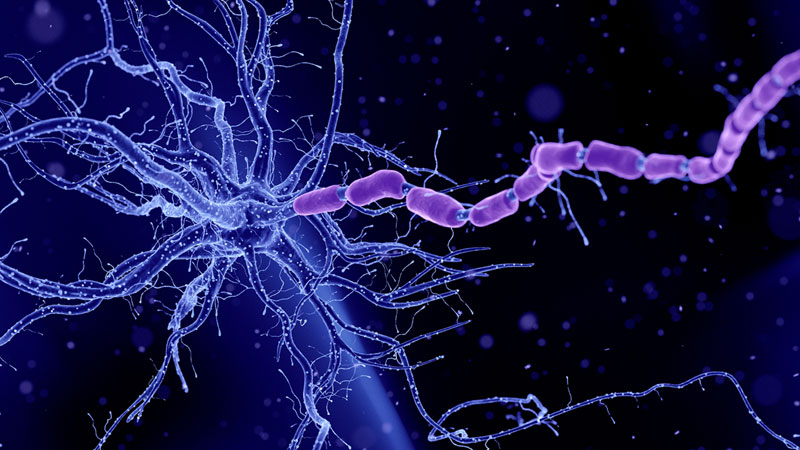
Did you know you have a "second brain" in your gut? The gastrointestinal system has its own independent nervous system, comprised of over 100 million neurons embedded in the gut wall. This "enteric nervous system" is so complex that it can function independently of the brain, managing the intricate process of digestion on its own.
The connection between your gut and your brain is a two-way street. The bacteria in your gut, collectively known as the microbiome, play a crucial role in your overall health, including your mood. Incredibly, about 95% of your body's serotonin, the "feel-good" neurotransmitter, is produced by your gut bacteria.
The Ever-Changing and Resilient Form
The human body is not a static entity; it's a dynamic system that is constantly changing and adapting. From the moment of conception to our final days, our bodies are in a perpetual state of flux, demonstrating a remarkable capacity for growth, healing, and regeneration.
A Skeleton in Flux
You might think of your skeleton as a rigid, unchanging framework, but it's actually a living, dynamic tissue. Babies are born with around 300 bones, many of which are made of soft cartilage. As we grow, these bones fuse together, resulting in the 206 bones of the adult skeleton. More than half of your bones are located in your hands and feet, with each hand containing 27 bones and each foot 26.
Your bones are also in a constant state of remodeling. The collagen within your bones is continually replenishing itself, so much so that you essentially have a new skeleton every seven years.
The Power of Regeneration
The human body has an incredible capacity for self-repair. When you get a cut, your body immediately goes to work to heal the wound, with platelets stopping the bleeding and white blood cells clearing away damaged cells. Some organs have even more impressive regenerative abilities. The liver, for example, can regrow to its full size even if a significant portion of it is removed. Even fingertips that have been severed can, in some cases, partially regenerate.
This remarkable ability to heal and regenerate is a testament to the resilience of the human body, a complex and beautiful system that is constantly striving to maintain itself.
From the cosmic scale of our atomic makeup to the intricate dance of our cellular machinery, the human body is a source of endless wonder. The next time you take a breath, feel your heart beat, or simply marvel at the world around you, take a moment to appreciate the incredible biological masterpiece that makes it all possible. You are a living, breathing testament to the power and beauty of the natural world, a universe of complexity and a story billions of years in the making. And the most amazing part? This incredible journey is happening within you, right now.