
16
Learn More
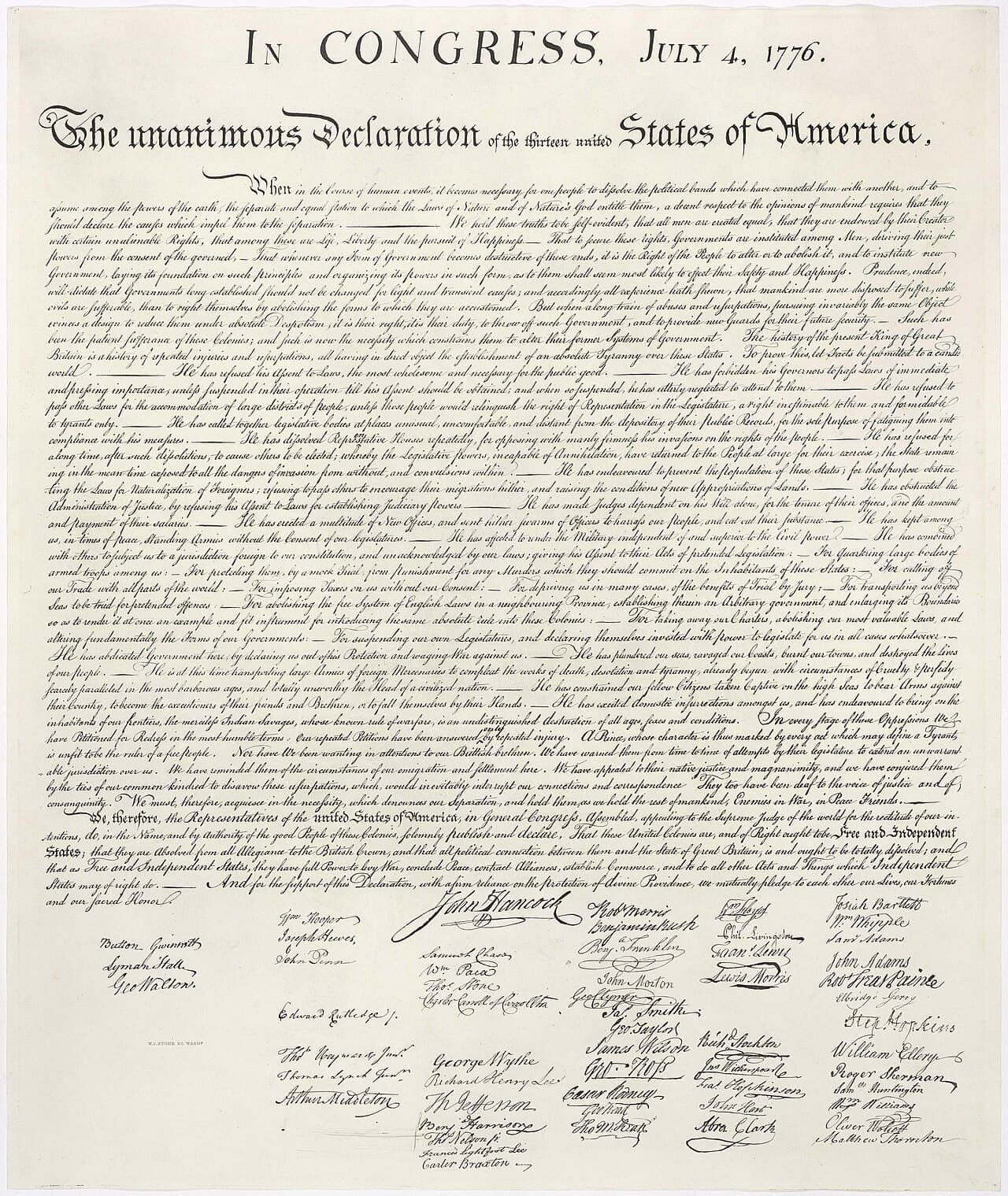
While the final text of the Declaration of Independence was a group effort, the task of writing the initial draft fell to a Virginian delegate known for his eloquent and powerful prose. In June 1776, the Second Continental Congress appointed a "Committee of Five" to create the document. This committee included John Adams, Benjamin Franklin, Roger Sherman, Robert Livingston, and a 33-year-old Thomas Jefferson. Adams, recognizing Jefferson's superior writing talent and the political advantage of having a Virginian author the text, successfully persuaded the committee to give him the primary responsibility.
Working in a rented room in Philadelphia, Jefferson spent about two weeks crafting the original draft. He drew upon Enlightenment ideals, particularly the work of philosopher John Locke, to articulate the colonies' case for freedom. His draft was first reviewed by Adams and Franklin, who made minor changes, before being presented to the full Congress.
Over two days of debate, Congress made more significant alterations, editing about a quarter of the text. Most notably, a lengthy passage condemning the slave trade was removed to secure the unanimous support of all thirteen colonies. Despite these edits, the document's fundamental structure, its iconic preamble about unalienable rights, and its powerful, persuasive language remain a testament to Jefferson's work, solidifying his role as its principal author.
This question is part of: American History trivia questions and answers
More History Trivia Questions
70
What wall divided Berlin from 1961 to 1989?
53Which ancient wonder was located in Alexandria, Egypt?
31Which empire was ruled by Genghis Khan?
20Besides the hanging Gardens of Babylon, the other six "Wonders of the Ancient World" were located in which three countries?
20English history: Name any year during which Henry VIII reigned.
20Around 1680, when King Charles II repaid a debt owed to his father, this 35-year-old man received a huge parcel of land on the western bank of the Delaware River which eventually became a state bearing his name. What was his name?